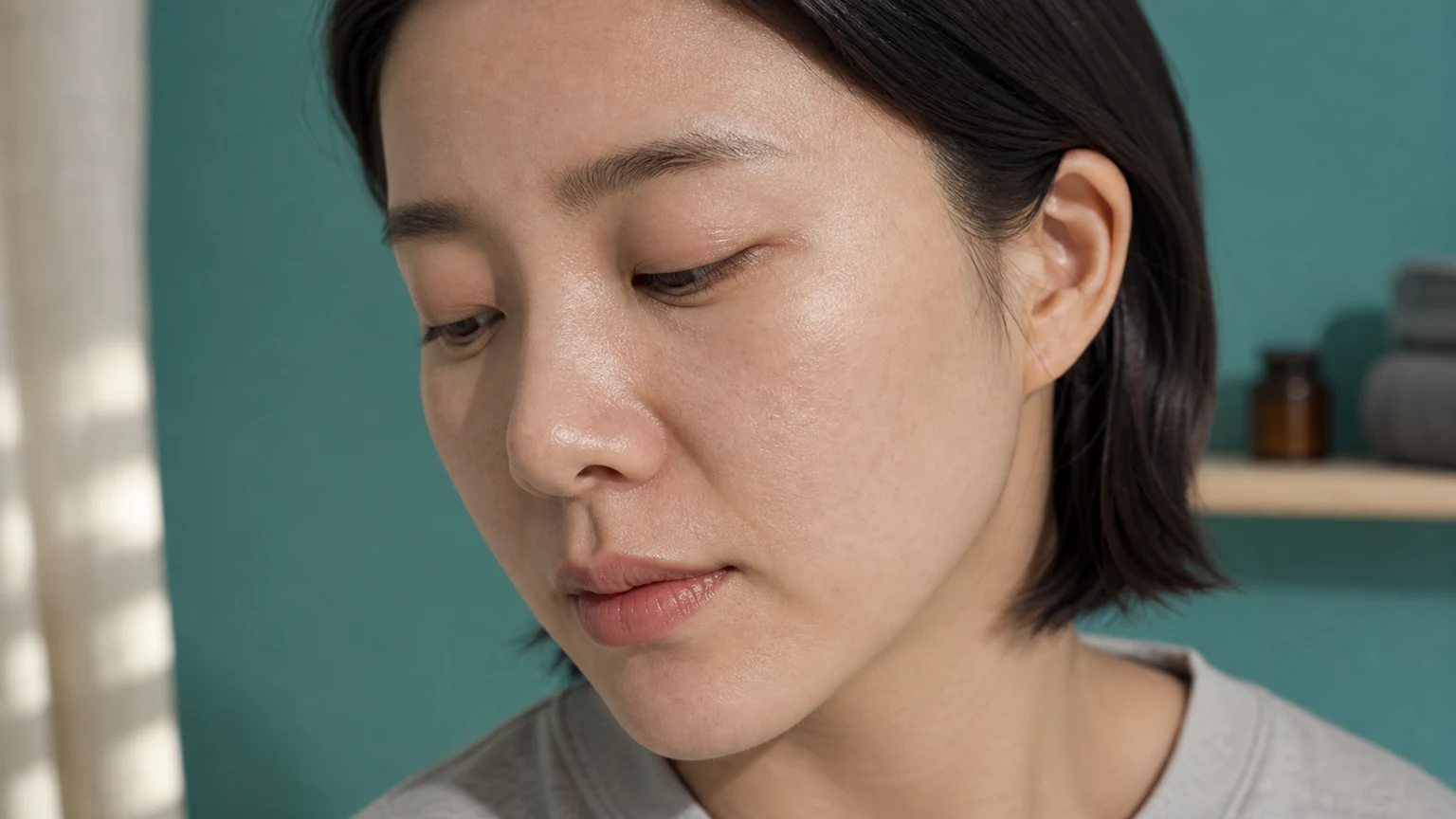
"I Can't Stop Thinking About My Pores" — Where Should You Start With Pore Reduction?
Foundation that doesn't sit right, a nose and cheek area that looks unexpectedly prominent when you zoom in on a photo — most of us have stood at the mirror at some point and tried to pull the skin tight to minimize pores. At Cellinique's consultation room, "Is there a way to reduce my pores?" is one of the questions we hear most often.
This guide summarizes how Dr. Kim Gun-woo, Medical Director of Cellinique on Dosan-daero in Gangnam, approaches pore concerns during consultations and how the conversation typically flows. Rather than recommending any single treatment, the focus is on understanding why pores appear enlarged and finding the right direction for you. We'll walk through the causes (sebum production and loss of elasticity), management and treatment options, and how the approach differs by area — nose versus cheeks.
3-Line Summary
1. There are broadly 3 contributing factors that make pores appear enlarged — sebum production, loss of elasticity around the pore, and follicle (hair) volume. (Source: Dermatologic Surgery 2016 review)
2. Management typically combines the lifestyle and home care axis (sebum and exfoliation management, sun protection) with the medical care axis (laser, skin boosters, etc.) — "eliminating them once and for all" is not a realistic goal.
3. The nose and cheeks differ in their dominant causes, so the approach diverges. The degree of improvement varies significantly between individuals and identical results cannot be guaranteed — each case is evaluated individually during a prior consultation.
1. Why Pores Appear Enlarged — Looking at 3 Contributing Factors
The feeling that "my pores have gotten bigger" is actually the result of several different causes mixing together. Dermatology literature generally organizes the factors that make pores appear enlarged into three main categories.
- Sebum production — The greater the volume of sebum (oil) produced by sebaceous glands, the more pronounced pores tend to appear. When sebum accumulates inside the pore and oxidizes, the opening can look even wider.
- Loss of elasticity around the pore — As collagen and elastic fiber structures surrounding the pore change with age, pores can shift from a round shape to an elongated (teardrop or Y-shaped) appearance.
- Follicle (hair) volume — Because a pore is essentially the opening through which a hair grows, the thickness and volume of the follicle itself is known to influence how visible pores appear.
On top of these, recurring acne, hormonal factors, cumulative UV exposure, and skin care habits can each add to the picture. That is why viewing "pores = an oil problem" alone risks overlooking the factor that may actually be larger for you — such as loss of elasticity.
💡 Fact-check ✓
Source: Lee et al., Dermatologic Surgery 2016 (peer-reviewed review)
- The three main clinical causes that make pores appear enlarged: high sebum production, loss of elasticity around the pore, and increased follicle volume
- Additional contributing factors: chronic acne, sex hormones, UV exposure, and skin care habits also influence apparent pore size
- The degree of apparent enlargement and the relative weight of each cause vary between individuals; results and perceived improvement are subject to individual variation
2. "Can Pores Be Eliminated Completely?" — Something to Clarify First
This is the most important point to be honest about from the outset. Pores are a normal skin structure through which hair and sebum emerge, so "eliminating" pores themselves is not a realistic goal. The realistic objective of pore management is closer to reducing the causes that make pores look enlarged so they appear less prominent.
One more thing: pore management is less a one-time procedure and more often a continuous process. Sebum production and skin elasticity can change again over time, so maintaining results through lifestyle habits and home care after treatment is important. Understanding this from the start helps close the gap between expectations and outcomes.
3. Two Broad Approaches — the Lifestyle & Home Care Axis / the Medical Care Axis
Pore management can be thought of in two broad categories. The general approach is not to choose one or the other but to combine both.
A) Lifestyle & Home Care Axis
- A consistent cleansing routine to prevent sebum and dead skin cells from accumulating in pores
- Sun protection — cumulative UV exposure can affect the elasticity structures around pores
- Moisturizing to keep the skin barrier stable
- Reducing excessive physical stimulation (aggressive scrubbing or squeezing)
- Reviewing lifestyle patterns — sleep, diet, and other factors that may influence sebum production
The lifestyle and home care axis is the foundation we recommend universally to everyone. Rather than expecting medical procedures to do everything, building good daily habits first contributes to more stable results.
B) Medical Care Axis
The direction of medical care varies depending on which contributing factor is more dominant for you. Within Cellinique's scope of care, two main directions are typically considered together.
- Laser and energy-based approaches (e.g., laser toning) — This direction addresses skin tone, texture, and sebum-related concerns together. For pore management, it is often used as a complementary role alongside other care rather than as a standalone approach. If you are interested in laser toning specifically, you can find a more detailed explanation of the principles and precautions in the Laser Toning Complete Guide.
- Skin booster (e.g., polynucleotide PN-based) approach — This is an approach that targets the elasticity axis contributing to enlarged pore appearance by supporting skin texture and elasticity. However, as the fact-check below explains, it is important to understand the nature of the evidence before proceeding.
There are multiple options within each direction, and the combination that suits you depends on your skin condition, preferences, and lifestyle. There is no single treatment that is objectively superior. Finding the right direction for you starts with a prior consultation.
💡 Fact-check ✓
Source: Lee et al., Skin Research and Technology 2024 (PMID 39233467, PMC11375025)
- This is a physician perception survey (questionnaire, 407 respondents) on the use of polynucleotide (PN) injections for pores — it is not a randomized controlled efficacy trial → effectiveness should be understood only as "the degree to which physicians perceive it"
- A majority of responding physicians reported using PN for sebum- (75.7%), elasticity- (87.7%), and acne-related (72.2%) pore concerns, and many use it in combination with devices such as microneedle RF
- Effectiveness, suitability, and the number of sessions required vary significantly between individuals; whether it is appropriate for you is assessed during a prior consultation (for information on PN ingredients and regulatory authorization, see the table and disclaimer below)
4. At a Glance — Approach Directions by Contributing Factor
| Contributing Factor | Commonly Paired Management Direction | Example Situations |
|---|---|---|
| Sebum production | Sebum & exfoliation home care + tone and texture refinement approach | Skin becomes oily by afternoon and the nose area looks prominent |
| Loss of elasticity | Texture & elasticity support direction (skin boosters, etc.) + lifestyle management | Pores look elongated rather than round |
| Follicle volume / mixed causes | Cause evaluation followed by combination design | Multiple causes are mixed and cannot be explained by a single factor |
| Lifestyle habits (universal) | Sun protection, cleansing, and moisturizing routine | The foundational axis needed by everyone |
※ The table above is for general informational purposes. Which factor is dominant for you and which direction is the right fit is assessed individually during a prior consultation. Specific procedure names and plans are discussed at the consultation stage.
5. The Approach Differs by Area — Nose vs. Cheeks
Even within the same "pore concern," the dominant cause and approach differ by area. At Cellinique consultations, the nose and cheeks are assessed separately.
Nose Area Pores
The nose has relatively more sebaceous glands, so the sebum production axis tends to play a larger role. For nose pores, a home care routine that prevents sebum and dead skin cell buildup is a key foundation, and medical management is often considered alongside tone, texture, and sebum-related approaches. However, repeated strong squeezing or excessive physical stimulation can lead to irritation and marks, so we recommend reducing such stimulation.
Cheek Pores
Compared to the nose, the loss-of-elasticity axis tends to be more prominent in the cheeks. If pores look elongated and drooping downward (teardrop-shaped) rather than round, sebum management alone has its limits, and it is generally advisable to consider a texture and elasticity support direction as well. This area is evaluated during a prior consultation — with an understanding of the nature of the evidence described in the fact-check above — to determine whether it is appropriate for your skin.
※ The relative weight of contributing factors for the nose and cheeks reflects generally recognized tendencies and varies between individuals. Which factor is more relevant to your pores is assessed together during a prior consultation.
6. What We Work Through Together During the Prior Consultation
When you come in for a consultation to begin pore management, Cellinique typically works through the following items with you. Without clarifying these points before starting a procedure, there can be meaningful differences in the stability of outcomes and your personal satisfaction.
- The area and nature of your pore concern — Where (nose, cheeks, etc.), whether pores appear round or elongated, and since when
- Sebum and breakout patterns — Degree of oiliness, history of acne and blackheads
- Existing home care and treatment history — Cleansing routine, sun protection habits, prior procedures, recovery patterns
- Lifestyle patterns — Sleep, stress, diet, and other factors that may influence sebum production
- Health status and medical history — Allergies, current medications, autoimmune conditions, etc.
- Management goals and downtime tolerance — Schedule, occupation, upcoming important events
Through this process, Dr. Kim Gun-woo helps you clarify the direction and priorities that are right for you. Because pore management is not a one-time decision but a continuous process, getting the initial design right matters.
💡 One Patient's Story — A patient in their late 30s came in saying, "My cheek pores look stretched out, and I've been working hard on sebum management but they haven't improved much." During the consultation, it turned out the cheeks were dominated by the elasticity axis rather than the sebum axis, while the nose was more sebum-driven. Only after designing separate approaches for each area did the direction become clear. Because pores vary by area and cause, focusing on identifying the root cause before trying one universal fix can make a real difference in some cases. (Individual variation applies)
7. Safety Standards and Precautions
There are many types of medical procedures related to pore management. Regardless of which direction is chosen, there are safety standards that apply universally — these are always reviewed together during the prior consultation.
Please Note Before Your Procedure
- Pregnancy or breastfeeding status (including if you are planning to become pregnant)
- Medications you are taking (particularly anticoagulants, antiplatelet agents, or immunosuppressants)
- History of allergies (especially to anesthetic components)
- History of active infections, autoimmune conditions, or keloid tendency
- Recent procedures received elsewhere (interval adjustment may be required)
Points to Keep in Mind After Your Procedure
- Temporary reactions such as redness, swelling, and mild stinging are common and vary between individuals
- In rare cases, infection, allergic reactions, pigmentation changes, or scarring may occur — if you notice any unusual reactions, please contact Cellinique immediately
- If you experience severe swelling, fever, or difficulty breathing at night or on holidays, please call emergency services (119) or visit the nearest emergency room
Safety standards applicable to all procedures — including side effects, emergency response, contraindications, and infection management — are detailed on the Cellinique Procedure Safety Information page. If you are considering pore management, we recommend reviewing this page before your procedure.
8. How Cellinique Approaches Pore Management Consultations
Cellinique is an anti-aging dermatology clinic located on Dosan-daero, Gangnam-gu. For areas like pore management — where the approach diverges by area and cause and results are best viewed as a continuous process — cause evaluation and follow-up checks often matter more than the success of any single procedure.
That is why Cellinique operates with Dr. Kim Gun-woo personally responsible from the initial consultation through to procedures and follow-up assessments. Because the same physician consistently tracks your skin over time, planning the next session and the next direction flows naturally. Cellinique's location on Dosan-daero in Gangnam also makes return visits and follow-up checks convenient — a genuine advantage in a field like pore management where sustained care matters.
Frequently Asked Questions (FAQ)
Q1. Can pores be completely eliminated?
Pores are a normal skin structure through which hair and sebum emerge, so it is not realistic to say they can be "completely eliminated." The realistic goal is closer to reducing the causes that make pores appear enlarged so they look less prominent. Individual variation is significant, and identical results cannot be guaranteed for everyone.
Q2. Are nose pores and cheek pores managed the same way?
The dominant cause differs by area, so the approach diverges. The sebum axis tends to play a larger role for nose pores, while the elasticity axis is more prominent for cheek pores. For this reason, the standard practice is to evaluate each area separately during the prior consultation before determining a direction.
Q3. Can home care alone reduce pores?
Basic home care — such as cleansing, sun protection, and moisturizing — is a universally necessary element for everyone. It can help with sebum and texture management, though results vary between individuals. We recommend approaching pore care with home care and medical management together, rather than considering procedures alone. That said, home care alone may have its limits for pores where the elasticity axis is dominant.
Q4. Will laser or skin booster treatment immediately reduce my pores?
It is difficult to say definitively that results will be immediate or certain. The direction, perceived improvement, and number of sessions required all depend on the contributing factor and individual skin condition, and results tend to vary considerably between individuals. In particular, some of the evidence for using skin boosters for pore concerns is at the level of physician perception surveys rather than efficacy trials, so it is important to understand the nature of the evidence before proceeding. Whether it is appropriate for you is evaluated during a prior consultation.
Q5. Is it safe to squeeze pores by hand or apply strong manual pressure?
Repeated strong squeezing or excessive physical stimulation is generally not recommended. It can lead to irritation, redness, and marks. If pores are a concern, we recommend managing them with reduced stimulation and working out a method suited to your skin during the prior consultation.
Q6. Is it safe to have multiple procedures at the same time?
Concentrating multiple procedures into a single session is generally not recommended. Procedures need to be designed with appropriate intervals and sequencing to be safe. If you let us know during the prior consultation exactly which procedures you are currently receiving and which medications you are taking, we can coordinate the plan together.
Q7. Can I just come in for a consultation without committing to treatment?
Absolutely. Because pore management is a continuous process rather than a one-time decision, working through your area, causes, and direction during a consultation can itself be valuable. If you would like a consultation only, please feel free to reach out by phone at 02-6203-3434 or via KakaoTalk. (Consultation and procedure fees vary by individual condition and plan and are explained during the consultation.)
Closing
Pore management does not start with "which treatment is best for pores?" It starts with "why do my pores look enlarged, and which area and which contributing factor is most significant for me?" Finding that answer is ultimately something we work out together during the prior consultation.
At Cellinique (Gangnam, Dosan-daero), Dr. Kim Gun-woo personally handles everything from the initial consultation through procedures and follow-up assessments. If you are wondering how to get started with pore management, please come in for a consultation at your convenience. If you are interested in tone and texture management, you can refer to the Laser Toning Complete Guide; for universal safety standards, see the Cellinique Procedure Safety Information page.
✅ Fact-check Report
The key medical information in this article has been verified against the following sources.
- Lee et al., "Facial Pores: Definition, Causes, and Treatment Options," Dermatologic Surgery 2016 (peer-reviewed review) — The three main clinical causes that make pores appear enlarged (sebum production, loss of elasticity around the pore, follicle volume) and additional contributing factors (acne, hormones, UV exposure, skin care)
- Lee et al., Skin Research and Technology 2024 (PMID 39233467, PMC11375025) — A physician perception survey (questionnaire, 407 respondents) on the use of polynucleotide (PN) for pores. Because it is not a randomized controlled efficacy trial, effectiveness is cited only at the level of "physician perception" and no definitive efficacy claims are made
- Regulatory scope — This article makes no definitive claims about domestic MFDS authorization or overseas regulatory approval for any specific product. Ingredients, authorization status, and indications for each procedure are explained during the prior consultation
- Verified items: pore causes (sebum, elasticity, follicle), management directions, area-specific differences, side effects, individual variation disclosure. Specific efficacy figures, durability claims, and definitive statements such as "results are guaranteed" have not been used, in light of individual variation and the nature of the evidence
- Laser toning is described conservatively as a complementary approach to tone and texture support only, without making definitive claims about direct pore-reduction efficacy
Medical Disclaimer
This content is provided for general health information purposes only. Individual diagnosis, procedural suitability, and expected outcomes must be determined through a prior consultation with a physician. Results, durability, and suitability vary depending on individual skin condition, age, and lifestyle, and identical results cannot be guaranteed. All procedures carry the possibility of temporary side effects such as erythema and swelling; contraindications may apply and are confirmed during the prior consultation.
Cellinique Consultation & Appointments
Yeonseung Building 2F, B1, 228 Dosan-daero, Gangnam-gu, Seoul
Tel: 02-6203-3434
Hours: Mon–Fri 10:00–19:00 / Last Saturday of every month 10:00–16:30