
Re2O
Cellinique offers Re2O consultations at 228 Dosan-daero, Gangnam-gu, Seoul. Ask about an appointment in chat to discuss whether Re2O is suitable for you.Re2O is a skin booster made from donated human skin with the cells removed, processed into particles and injected into the dermis. The trial registration lists 3 sessions 1 month apart, and the reactions seen in the published trial were brief redness and mild swelling.
WHAT WE CHECK IN CONSULTATION
People comparing the materials used in skin boosters
People looking for a material different from Rejuran (PN) or hyaluronic acid boosters
People who want to check the source and regulation of a human-derived material first
People who need the schedule fitted around recent facial procedures
TREATMENT OVERVIEW
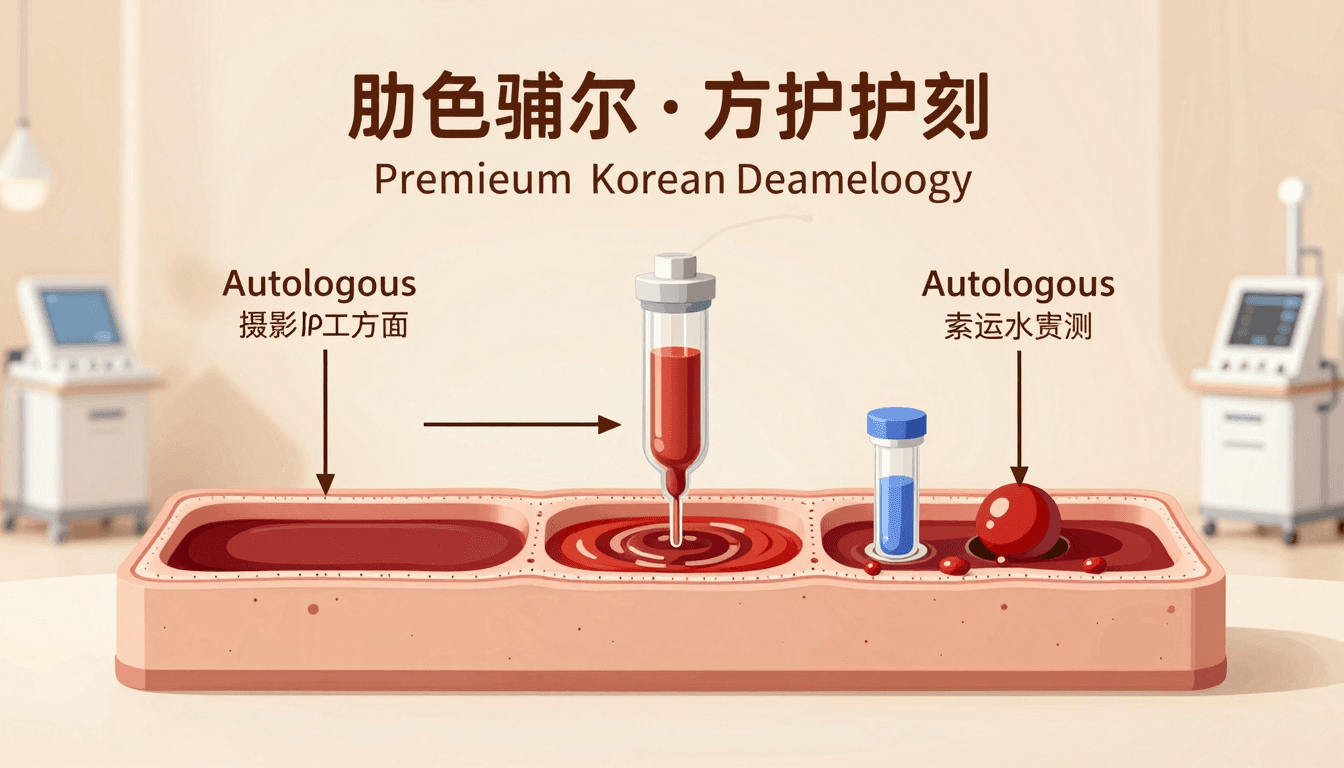
Re2O places dermal particles that still contain collagen and elastin into the dermis. That makes the material itself different from boosters that inject only hyaluronic acid, and from Rejuran, which injects PN (polynucleotide).
The syringe used in the trial was not Re2O alone but a mix with hyaluronic acid, saline and an anesthetic. Whether anything else is mixed in, and what, is explained before the treatment starts.
View detailed information
Re2O is a skin booster made from donated human skin: the cells are removed, and the remaining dermal tissue (hADM, human acellular dermal matrix) is broken into fine particles and injected into the dermis. The tissue still contains collagen, elastin and other proteins that form the skin's supporting mesh, and the manufacturer describes it as 150mg of particulate material. In Korea it is regulated as a human-tissue product.
A small published human trial mixed Re2O with hyaluronic acid, saline and an anesthetic, injected it into the mid-dermis, and compared it with hyaluronic acid alone. Over about 5 months of follow-up there were 0 serious adverse reactions, and the reactions seen were brief redness and mild swelling that settled without treatment. The schedule listed in the trial registration is 3 sessions 1 month apart.
01
hADM particles
Dermal tissue from donor skin with the cells removed, broken into fine particles.
02
About 5 months of follow-up
The trial observed reactions for about 5 months after treatment.
03
Donor and processing records
Donor screening and processing records are checked in the product documents.
TREATMENT PROCESS
Consultation
Skin condition, recent facial procedures, medications and allergies are reviewed.
Planning and anesthesia
The injection areas and number of sessions are explained, and the anesthesia method to reduce pain is chosen.
Injection
Re2O is placed in the dermis.
Aftercare guidance
Redness and swelling are checked, and written instructions say when to resume washing, makeup and exercise.
Before and After Treatment
Before treatment
During consultation, we review your current health, medications, allergies, pregnancy or breastfeeding status, and previous procedures.
Aftercare
Follow the procedure-specific guidance on irritation, heat, alcohol, exercise, and sun exposure, and contact the clinic if you notice an unexpected symptom.
Preparation and aftercare vary by procedure and individual health status. Please follow the instructions given during your consultation.
Consulting physician · Dr. Chris Gunwoo Kim · Director, Laboratory Medicine specialist
Frequently Asked Questions
What is the Re2O skin booster made of?
Fine particles of donor dermis (hADM) with the cells removed. No living cells or stem cells are included, and in Korea it is regulated as a human-tissue product.
How many Re2O sessions do I need?
The number is set by your skin condition and goals. The published trial registered 3 sessions 1 month apart.
Does Re2O hurt?
Because it is injected into the dermis, it can be painful, so a numbing cream is often applied first. The formulation in the human trial also contained an anesthetic.
How is Re2O different from Rejuran?
Rejuran injects PN (polynucleotide), while Re2O injects decellularized human dermis particles. Because the materials differ, they are not injected on the same day; the interval and order are set before scheduling.
What side effects can Re2O cause?
Swelling and redness can follow the injection. Because a needle is used, bruising, pain, bleeding, and infection can also occur. How long these reactions last varies by person. Keep the skin moisturized afterward.
How long is the downtime after Re2O?
Recovery time varies by person. The visit takes about 30–60 minutes, and the injection itself takes about 20–30 minutes. Consultation is about 15–20 minutes, planning about 10 minutes, and aftercare guidance about 10 minutes. That aftercare guidance covers swelling, redness, and moisturizing.
Is there any reason not to have Re2O?
Pregnancy, breastfeeding, an active infection or dermatitis, anticoagulant use, or a tendency to bleed easily can make the injection unsuitable. An allergy history and any recent procedure should also be reported before the injection. Skin condition, the area of concern, and prior procedures are reviewed together when deciding whether to proceed.
Which symptoms after Re2O mean you should call right away?
Call the clinic right away if the injection site keeps swelling or hurting more after several days. Warmth, pus, or fever can be a sign of infection, so call promptly. Do not wait if your vision suddenly changes or breathing becomes difficult.
Treatment Safety
For the shared standards on side effects, emergency response, contraindications, and infection control that apply to every Cellinique treatment, please refer to the Cellinique Treatment Safety Guide. This page covers information specific to this treatment.
View Treatment Safety GuideRelated Treatments
Explore other options in the same category that are often compared alongside this treatment.
Related guides
Guides that cover this treatment in more detail.
- What Is a Cadaver-Derived (hADM) Skin Booster? Screening and What It DoesA cadaver-derived skin booster uses donated human dermis (hADM) with the cells removed. Screening, stem-cell and HA differences, and records to match are listed.
- What is the Re2O skin booster made of?The Re2O skin booster is a material made by removing cells from donated human skin and finely crushing the remaining tissue scaffold so it can be injected.
- What Is the Re2O Skin Booster? hADM and SessionsRe2O injects hADM, donated human skin with the cells removed. What goes into the syringe, the 3-session trial schedule, and the reactions seen in the trial.
- Re2O price: what to check on a single-session quoteRe2O price depends on area, vial count, sessions and mixed ingredients. See what a single-session quote should state before you compare numbers.
- Re2O effects: what changes appear on the skin?Re2O effects: see which skin measures changed in a split-face study against hyaluronic acid, after how many sessions, and what reactions to expect.
- What is an ECM booster? A skin booster that replenishes the skin's frameworkAn ECM skin booster adds extracellular matrix, the skin's scaffold. See what Re2O injects, what a comparative human study found, and what to ask.

CELLINIQUE
Start your journey to timeless beauty today.